
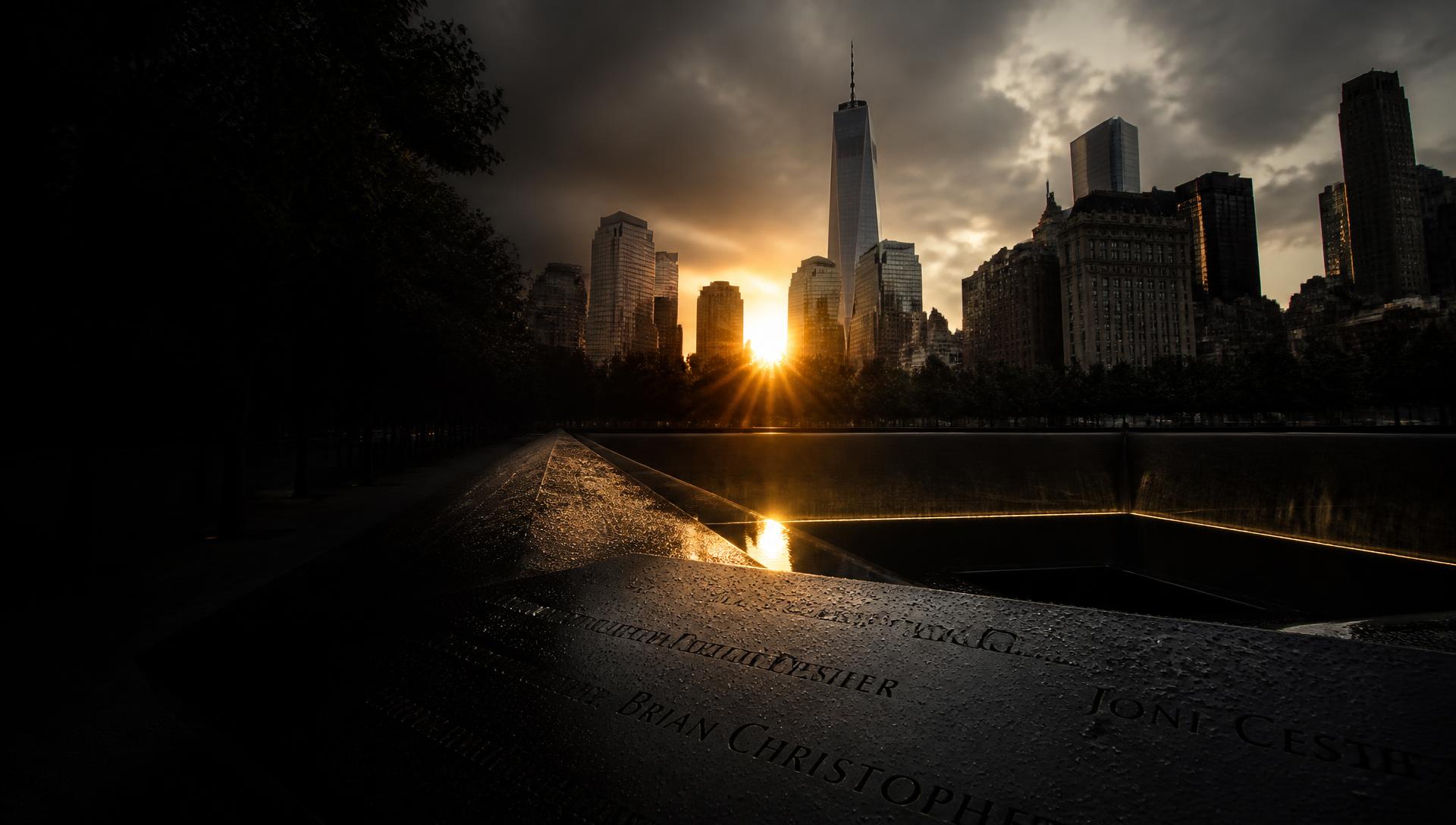
Day 1 — September 11
9/11 — The Silence About 9/11's Victims
Day 1 — September 11
9/11 — The Silence About 9/11's Victims
The world watched people die live on TV, then the images vanished almost immediately — because showing victims risked “offending” the attackers' religion.
By Richard Landes
It's a strange, rarely-discussed fact that the West doesn't pay much attention to the actual victims of jihadist violence. When high-profile attacks happen, news coverage often shifts quickly from the victims themselves to worry about a backlash against Muslims — as though the second concern outweighs the first.
Consider the most iconic images of 9/11: photos and footage of people who jumped from the towers rather than face the fire. That footage ran for a few hours and then disappeared from television almost entirely — one of the most extraordinary, intimate documents of human beings facing death that modern media has ever captured, pulled from view within a single news cycle.
Was it sensitivity toward families? Or discomfort with what the images might stir up? Meanwhile, footage of Muslim suffering from unrelated conflicts continued circulating for years, unfiltered.
This isn't really about which images are 'too disturbing' to show. It's about a public conversation where sympathy for the victims of jihadist violence somehow never becomes the main story — where the instinct to avoid a backlash quietly outweighs the instinct to grieve.
That silence, repeated across two decades of attacks around the world, is what this entire month is built to contest.
This day launches a simple project: a global record of jihadist attacks from 9/11 to today, built specifically to hold space for the victims that news coverage moves past too quickly.